
// BOSTON, MA · CHIMNEY SERVICE
Reliable Chimney Services in Boston
Ensuring your chimney's safety and efficiency.
Experienced Team
Our technicians are skilled and knowledgeable, ensuring every job is done correctly and efficiently.
Comprehensive Services
We offer a wide range of services to meet all your chimney needs, from cleaning to repairs.
Local Expertise
With deep roots in Boston, we understand the local climate and common chimney issues.
Customer Focused
We prioritize your satisfaction and safety, providing clear communication and quality results.
FIG. 1 — SECTION THROUGH A MASONRY CHIMNEY
// SERVICES
Spec sheets
Chimney Cleaning
Ensure your chimney is safe and efficient with professional cleaning.
S-02Chimney Inspection
Regular inspections to ensure chimney safety and functionality.
S-03Chimney Repair
Professional repairs to maintain chimney integrity and safety.
S-04Chimney Cap Installation
Protect your chimney with a properly installed chimney cap.
S-05Creosote Removal
Remove dangerous creosote buildup from your chimney.
S-06Chimney Relining
Improve chimney safety and efficiency with relining services.
S-07Fireplace Cleaning
Keep your fireplace clean and safe for use with regular cleanings.
S-08Dryer Vent Cleaning
Prevent fire hazards with regular dryer vent cleaning.
S-09Masonry Repointing
Restore the look and integrity of your chimney with repointing.
S-10Chimney Waterproofing
Protect your chimney from water damage with waterproofing.
// ANATOMY
Click a part of the chimney
PART 01
Chimney cap
A chimney cap sits on top of the chimney and prevents rain, debris, and animals from entering.
- Cap can become dislodged or damaged by weather
- Corrosion or rust can occur over time
- Blockages from nests or debris if the cap is missing or inadequate
PART 02
Crown
The chimney crown is the sloped top surface of the chimney that directs water away from the brick and mortar.
- Cracking due to weather exposure
- Water leaks can develop from gaps or poor construction
- Deterioration over time affecting water drainage
PART 03
Flashing
Flashing is a seal between the chimney and roof, preventing water from seeping into the house.
- Leaks can develop if flashing is improperly sealed
- Corrosion or rust due to weather exposure
- Damage from shifting or settling of the structure
PART 04
Brick and mortar
The bricks and mortar make up the main structure of the chimney and give it stability.
- Bricks can crack or spall from freeze-thaw cycles
- Mortar joints can deteriorate, leading to loose bricks
- Moisture penetration causing internal damage
PART 05
Flue liner
The flue liner protects the chimney walls from heat and corrosion while guiding smoke and gases out.
- Cracked or damaged liners reducing efficiency
- Creosote buildup posing fire risks
- Improper sizing impacting draft
PART 06
Smoke chamber
The smoke chamber funnels smoke from the firebox to the flue, improving draft efficiency.
- Cracks or gaps reducing effectiveness
- Creosote buildup increasing fire risk
- Poor design causing downdrafts
PART 07
Damper
The damper is a movable plate that controls airflow in the chimney, helping to maintain draft and conserve heat.
- Sealing issues causing heat loss
- Corrosion or rust hindering operation
- Misalignment affecting proper closure
PART 08
Firebox
The firebox is where the fire burns and is designed to contain heat safely.
- Cracks in the brick or mortar from heat stress
- Damage from creosote buildup
- Wear from frequent use leading to inefficiency
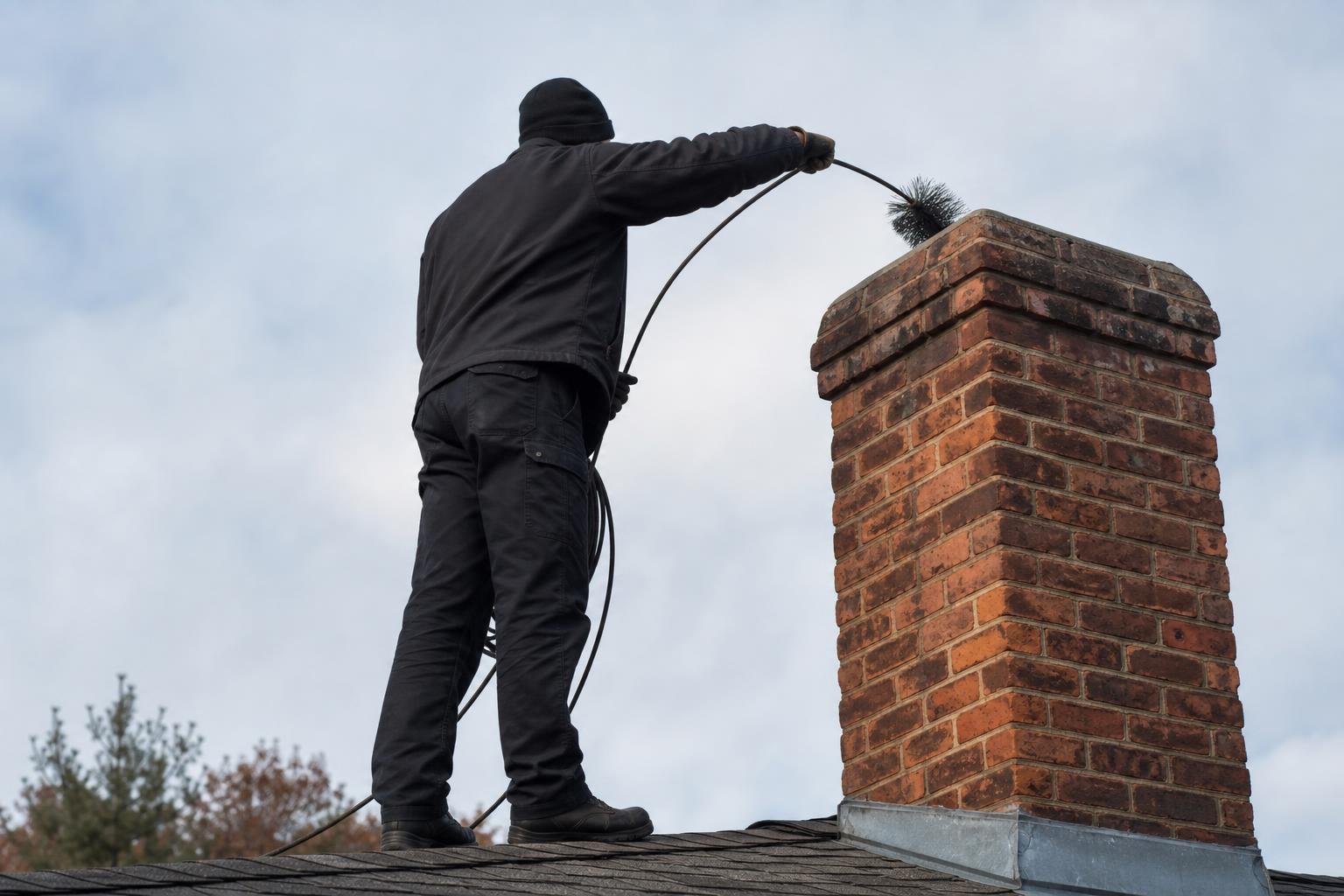
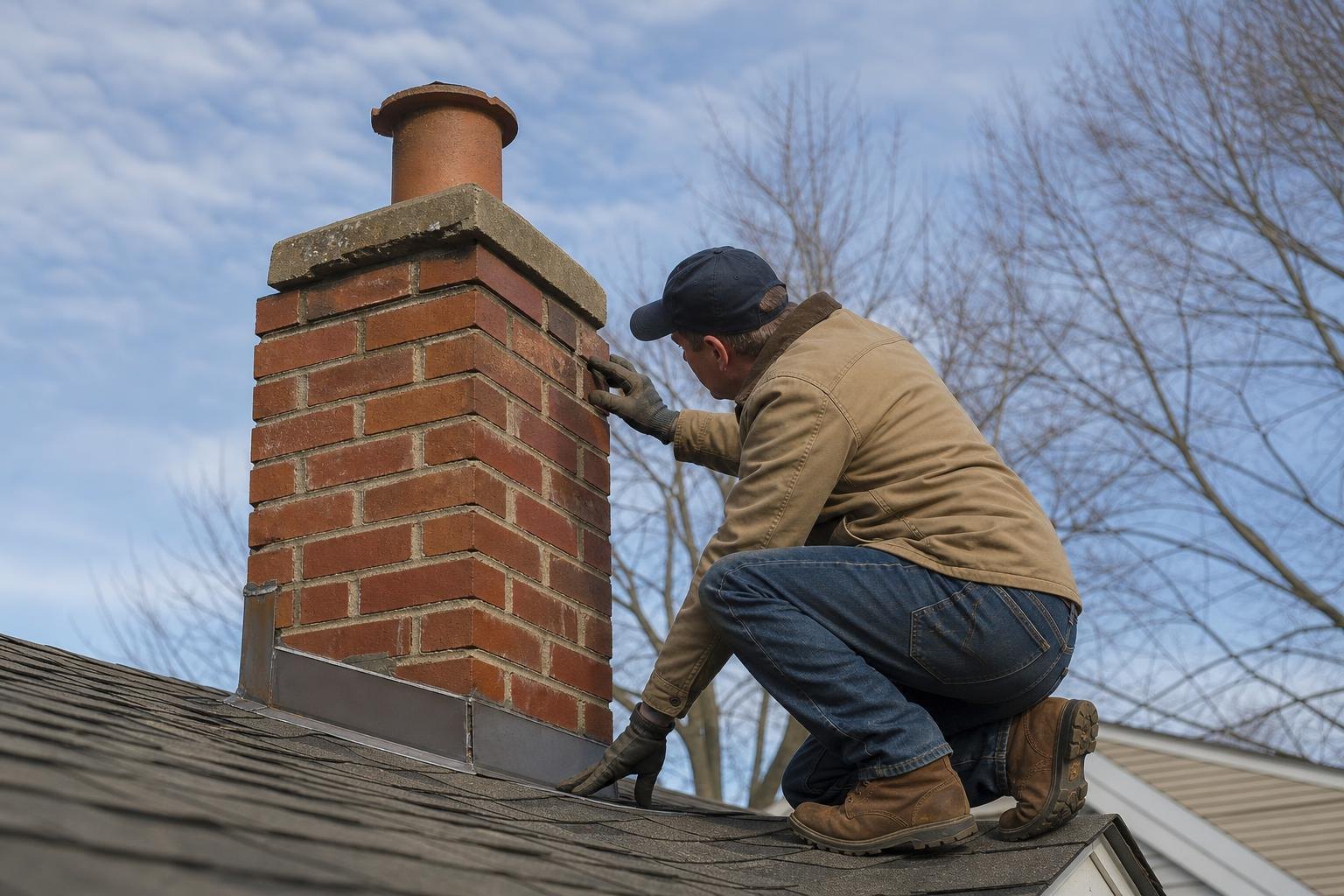
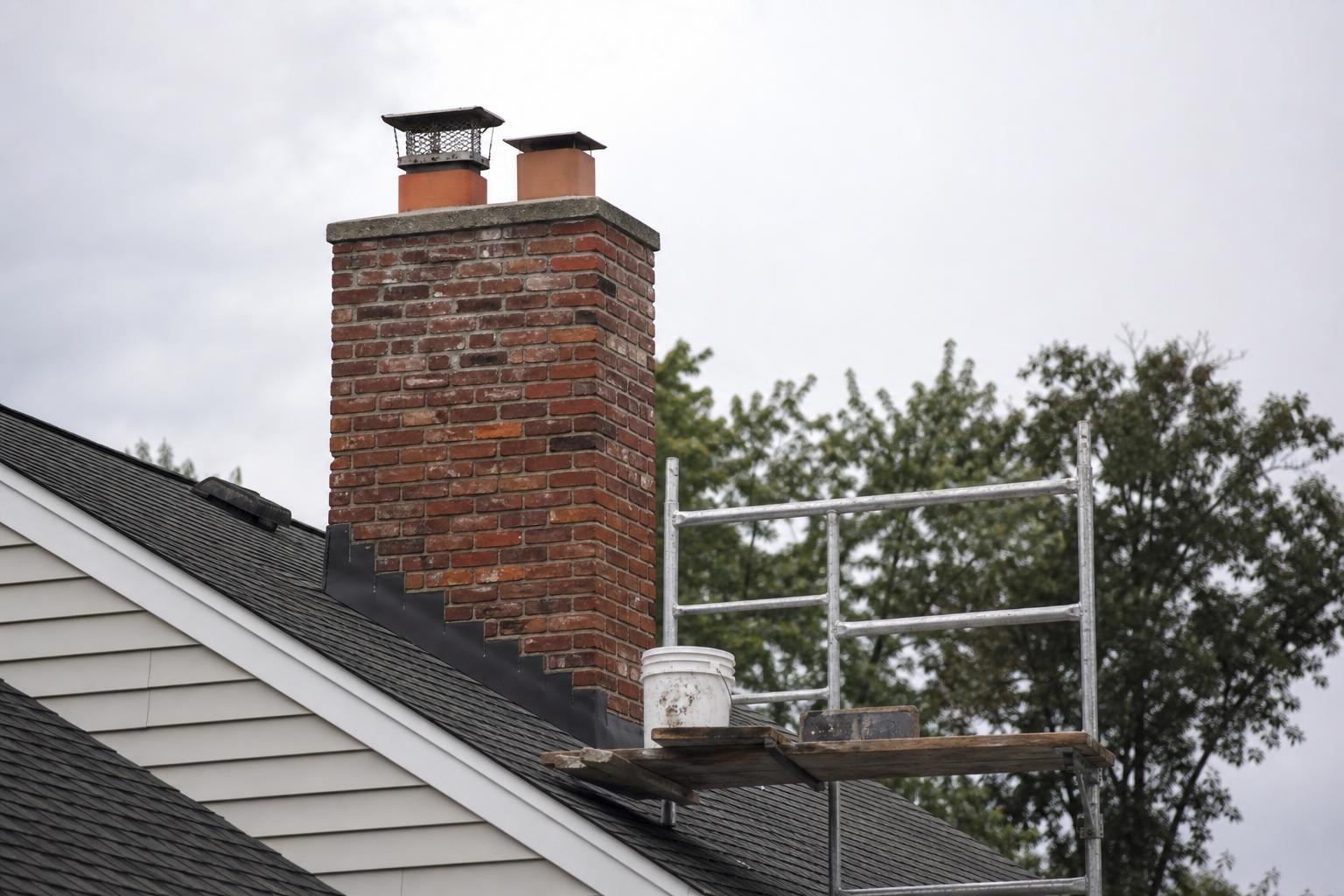
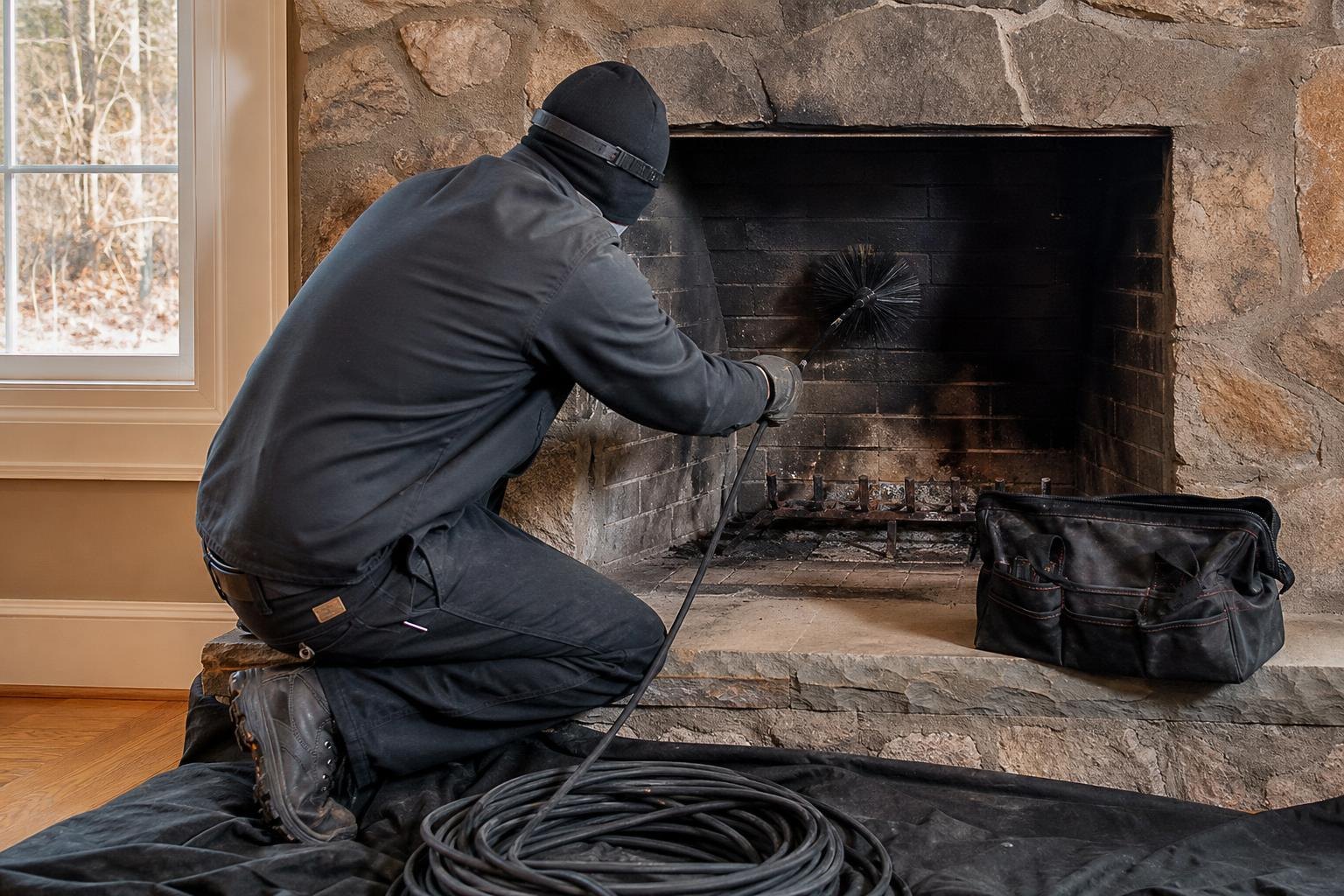
// FIELD PHOTOS
// TROUBLESHOOTING
What you notice, and what it usually means
| Ref | Symptom | Likely cause | Service |
|---|---|---|---|
| T-01 | Smoke comes back into the room | There might be a blockage or need for cleaning. | Chimney Cleaning |
| T-02 | Cracks in chimney bricks | This may indicate structural damage. | Chimney Repair |
| T-03 | Water stains near the chimney | Could point to leakage issues. | Chimney Waterproofing |
| T-04 | Birds or debris in the chimney | A chimney cap might be needed. | Chimney Cap Installation |
| T-05 | Strong creosote odor | This suggests creosote build-up. | Creosote Removal |
| T-06 | Deteriorating mortar | Indicates the need for repointing. | Masonry Repointing |
// PROCESS
The visit, as a flowchart
- STEP 1
Initial Inspection
We begin by assessing your chimney's condition to determine the best course of action.
- STEP 2
Thorough Cleaning
Our cleaning process removes soot and creosote buildup to enhance efficiency and safety.
- STEP 3
Detailed Repair
If repairs are needed, we address them promptly to prevent further damage.
- STEP 4
Reliable Installation
For components like chimney caps, we ensure secure and proper installation.
- STEP 5
Final Review
We review the completed work with you to ensure satisfaction and address any questions.
// BOOK
Open a work order
Sterling Mantel Chimney Inspection & Service offers professional care for all your chimney needs. Our experienced team is dedicated to serving Boston and nearby communities with comprehensive chimney solutions.
SERVICE AREA
- Boston
- Cambridge
- Somerville
- Brookline
- Newton
- Malden
- Medford
- Monday8:00 AM – 6:00 PM
- Tuesday8:00 AM – 6:00 PM
- Wednesday8:00 AM – 6:00 PM
- Thursday8:00 AM – 6:00 PM
- Friday8:00 AM – 6:00 PM
- Saturday8:00 AM – 12:00 PM
- SundayClosed
Q01How often should I have my chimney cleaned?
It's recommended to have your chimney cleaned at least once a year, especially if you use your fireplace regularly.
Q02What is creosote, and why is it dangerous?
Creosote is a flammable substance that builds up inside chimneys and can lead to chimney fires if not regularly removed.
Q03How do I know if my chimney needs repairs?
Signs like crumbling bricks or mortar, smoke back-up, or unusual odors may indicate your chimney needs repair.
Q04What is a chimney cap, and why might I need one?
A chimney cap prevents debris, rain, and animals from entering your chimney, enhancing its efficiency and safety.
Q05Can chimney issues cause health problems?
Yes, poor ventilation from a faulty chimney can lead to carbon monoxide build-up, which is dangerous.
Q06How long does a typical inspection take?
Most chimney inspections take about an hour, depending on the size and condition of the chimney.
Q07What is chimney relining?
Relining involves installing a new liner to improve the chimney's safety and performance.
Q08Why should dryer vents be cleaned?
Cleaning dryer vents regularly prevents lint build-up, reducing the risk of fire hazards.